

Service
Drain Cleaning in Malibu, CA
A slow drain is a blockage that has not finished forming. We clear sinks, showers, toilets, laundry lines and floor drains with hand tools and cable machines, and when a drain keeps coming back we look inside the pipe to find out why.
- Sinks, tubs and showers
- Toilets, laundry and floor drains
- Disposals and root blockages
Drain Cleaning
Slow or stopped: what is happening in the pipe
A drain line is a sloped pipe that depends on gravity. Anything that sticks to its wall, such as hair, soap film, grease, paper or wipes, narrows it a little more each week, until water backs up at the lowest fixture. Where the problem shows tells you most of what you need to know. One slow fixture means a blockage in that fixture's own branch. Several backing up together point to the main line.
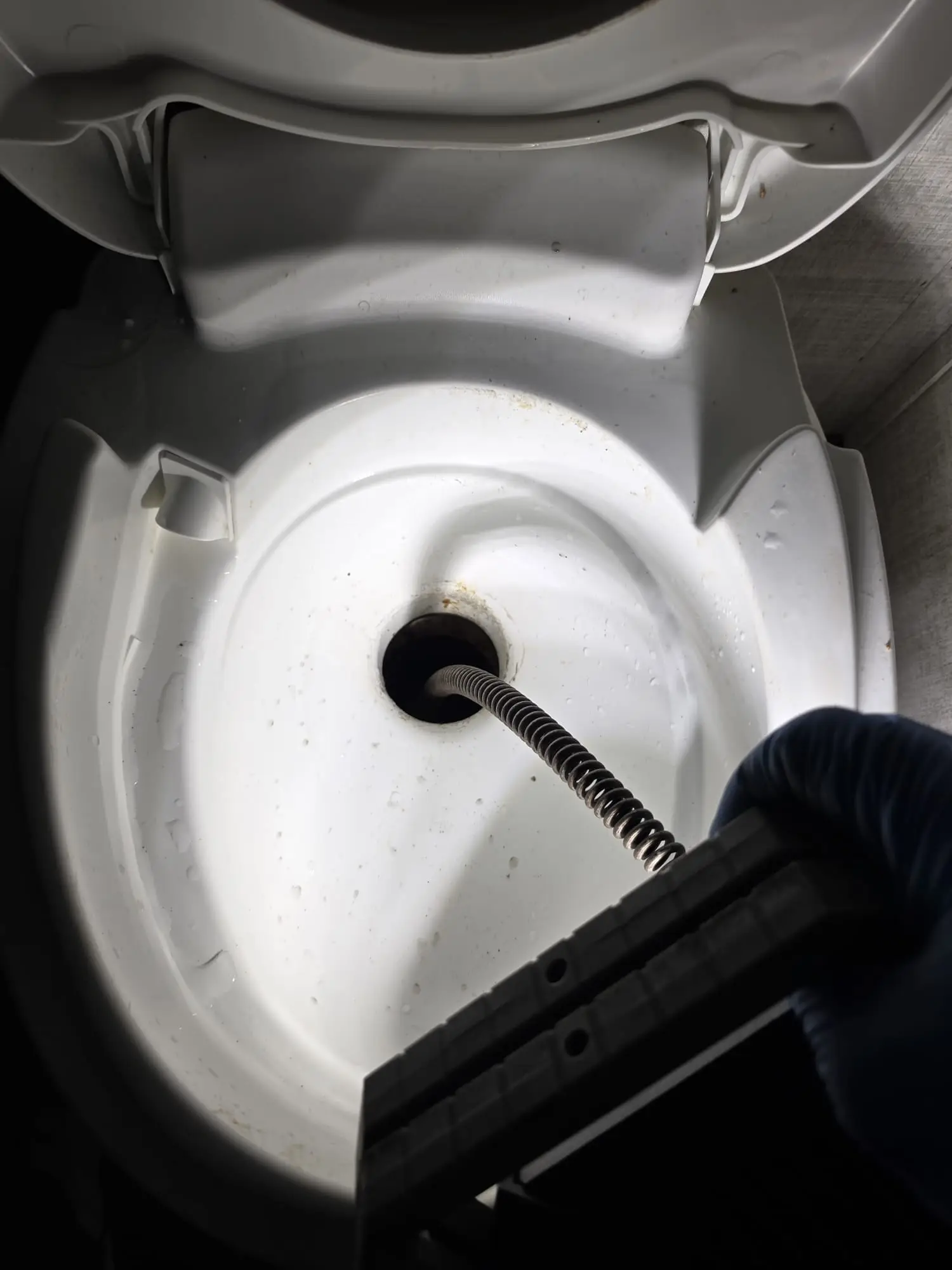
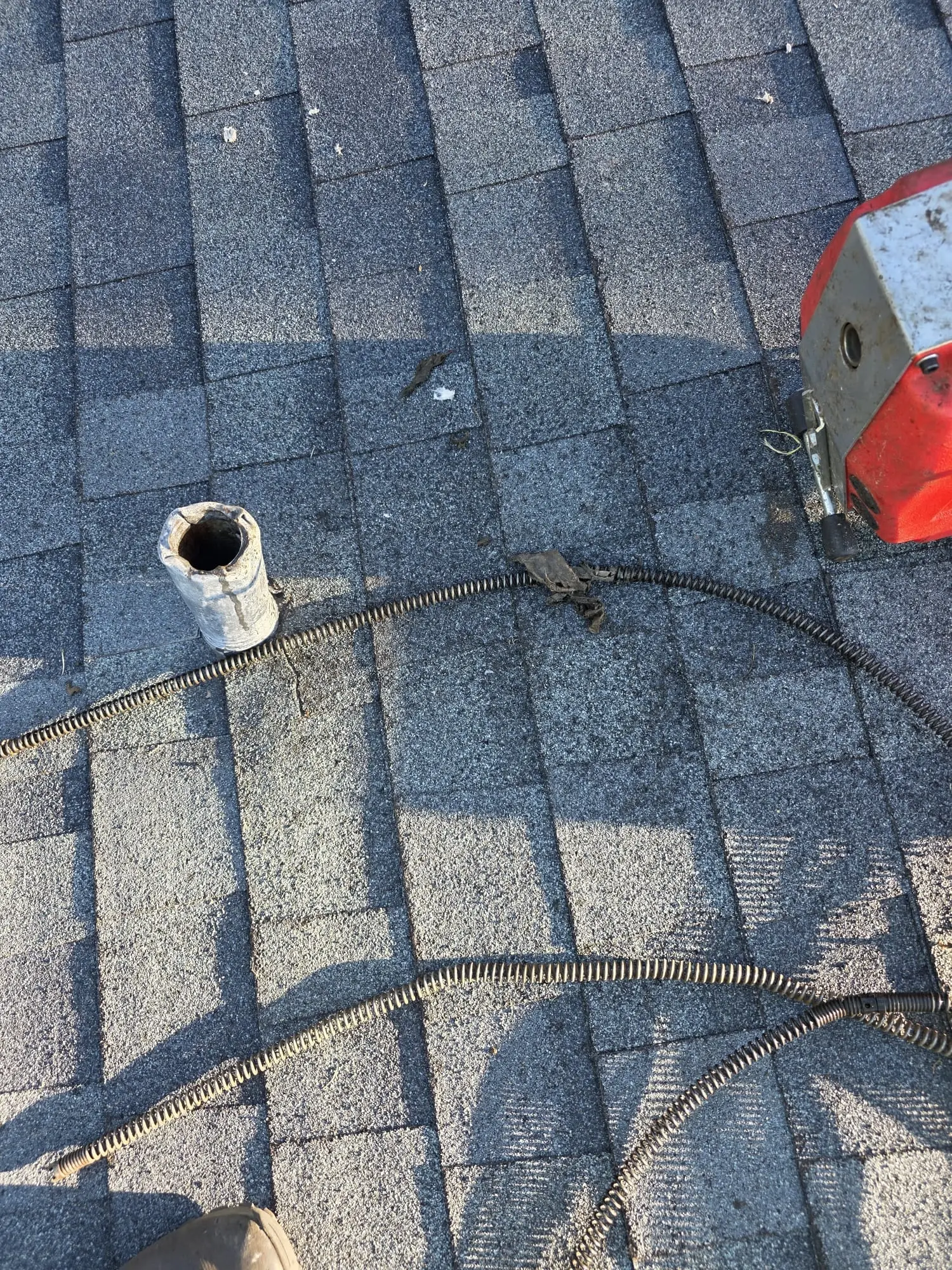
A plunger helps with a soft clog near the fixture. Past that, the usual tool is a drain cable, a flexible steel coil spun by a machine or by hand, that either breaks through the blockage or hooks it and draws it back out.
- Water that drains slowly, or gurgles when another fixture is used
- A toilet that clears only after repeated flushing
- A kitchen sink that backs up into the second bowl or the dishwasher
- A floor drain that smells or lets water rise
- A blockage that comes back a few weeks after it was cleared
How the work is done
How we handle Drain Cleaning
The right tool for the clog
A hand auger for a toilet, a small cable for a bathroom sink, a larger machine for a kitchen line or a main. The tool is matched to the pipe, so neither the fixture nor the pipe is forced.
Look inside when it keeps returning
A drain that clogs again and again has a cause: a root, a sag, an offset joint, a scaled pipe. A camera inspection of the line shows which.
Care around finishes
Cable goes in through the fixture, a cleanout or a vent with attention to porcelain, metal finishes and tile, and the floor is covered before a machine comes out.
Water is run to prove it
After the blockage is cleared, water is run through the line to confirm that it drains freely, and you are shown what came out of it.
Why drains clog, fixture by fixture
Each fixture clogs for its own reasons. Wipes sold as flushable do not break down in a drain the way toilet paper does, and they are among the most common causes of a blocked toilet or main. A garbage disposal grinds food, but what it grinds still has to travel through the drain, and fibrous scraps and grease are the usual trouble.
- Kitchen sinks: grease, food scraps, coffee grounds and fibrous peelings
- Bathroom sinks, tubs and showers: hair mixed with soap and body oils
- Toilets: too much paper, wipes, and objects that were never meant to be flushed
- Floor drains: dirt and debris, and a trap that has dried out and lets odours up
Cable, auger or camera: matching the method to the blockage
A hand auger reaches a toilet's trap and a shower drain without damaging either. A cable machine goes further and deals with kitchen branches, laundry lines and the main drain, with different heads for breaking up a blockage, cutting roots or retrieving an object. Which cleanout, vent or fixture to go in through depends on the house.
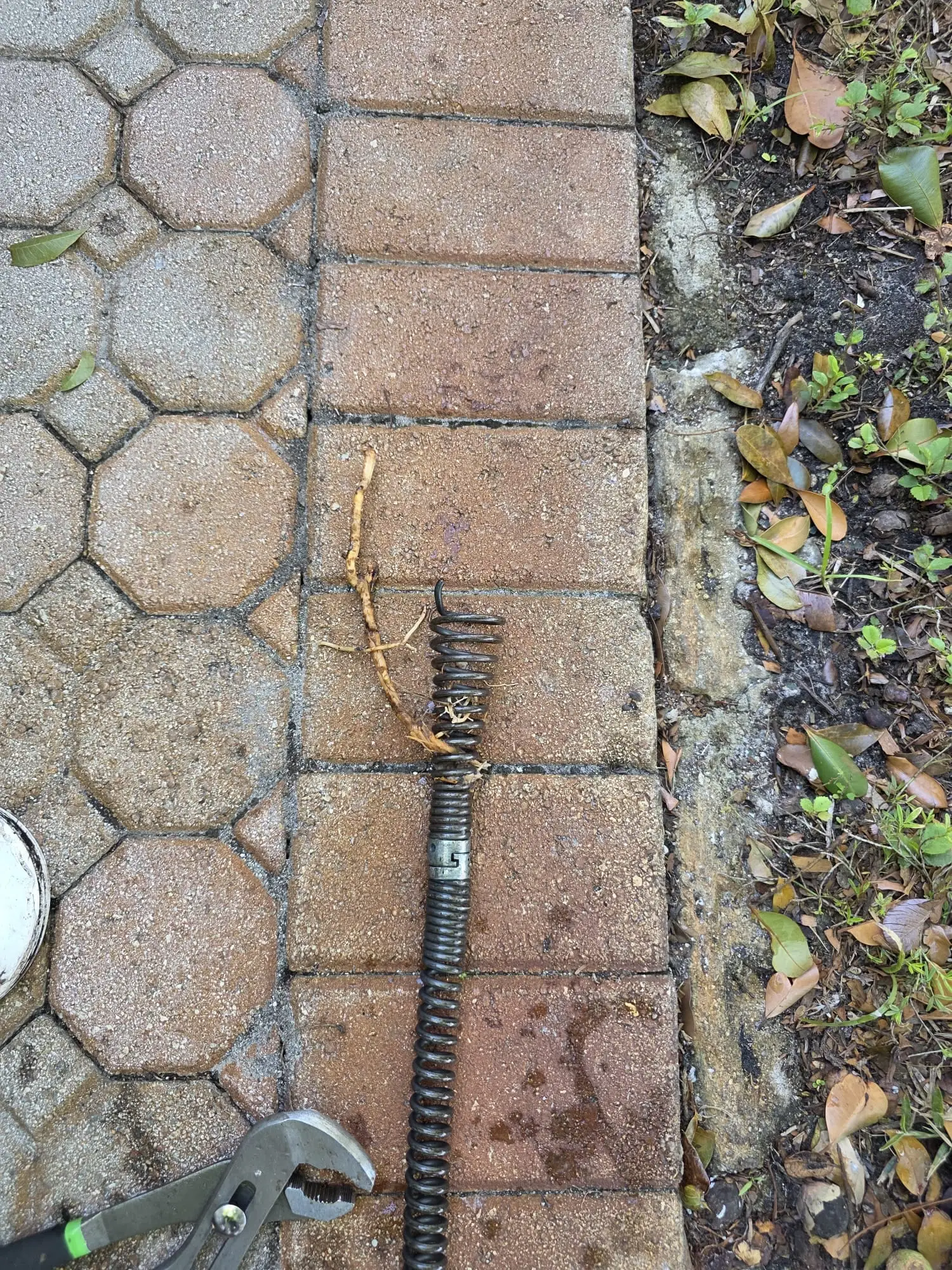
A small camera on a cable lets the plumber see the pipe instead of guessing: where a blockage sat, and whether the pipe is cracked, offset, sagging or full of roots. Roots are the usual reason an older line stops again and again. They enter at joints and cracks, and cutting them clears the line for a while but does not close the opening.
When a clog keeps coming back
One blockage is a clog. A second in the same drain within weeks is a sign of something else: a sag in the pipe where waste settles, a joint that has shifted, a collapsed or scaled section, roots, or a long-term buildup on the pipe wall. Clearing it again will work again, for a while, and that is all repeated clearing does.
A cleanout is a capped pipe outside or in the garage that gives direct access to the main drain. On hillside lots and older houses it can be buried in a planter or under pavers, so find yours before you need it.
Questions
Drain Cleaning questions
Is chemical drain cleaner a good idea?
Usually not. Caustic cleaners can sit in a fully blocked line without reaching the blockage, splash back at whoever opens the drain later and harm some pipe materials. A plunger or a hand tool is safer to try first. If you have used a chemical cleaner, tell the plumber.
Why does my drain clog again after it was cleared?
Because the cause was not removed. A cable clears what is in the pipe, but not a root that entered at a joint, a sag where waste settles or a scaled pipe wall that catches paper. A camera inspection shows which of those it is, and so what a lasting fix would involve.
Can you get something out of a toilet that was flushed by mistake?
Often, yes. A hand auger with a retrieving head can sometimes hook an object in the trap. If it cannot be reached that way, the toilet can be lifted off its base so the drain can be reached from below. Tell us what it was, because that changes the method.
Why does my floor drain smell?
Most floor drains hold a small water seal in a trap, which blocks odours from the pipe. In a drain that is rarely used, the water evaporates and the smell comes up. Pouring water into it often restores the seal. If the smell returns or the drain is slow, the trap or the line behind it needs a look.
More services
Other services we provide
Drain backing up? Call and tell us what you see.
Call us or send the form. Tell us what you see and we will explain the next step.
Get in touch
Request service
Fill out the form and we will call you back.