

Service
Leak Detection and Repair in Malibu, CA
Some leaks announce themselves with a puddle. Most do not: a stain that keeps coming back, a floor that feels soft, a water bill that climbs with no change in use. We trace the water to its source and repair that part, instead of patching where it shows.
- Walls, ceilings and crawlspaces
- Hose bibs and supply lines
- Unexplained water bills
Leak Detection and Repair
How a hidden leak shows itself
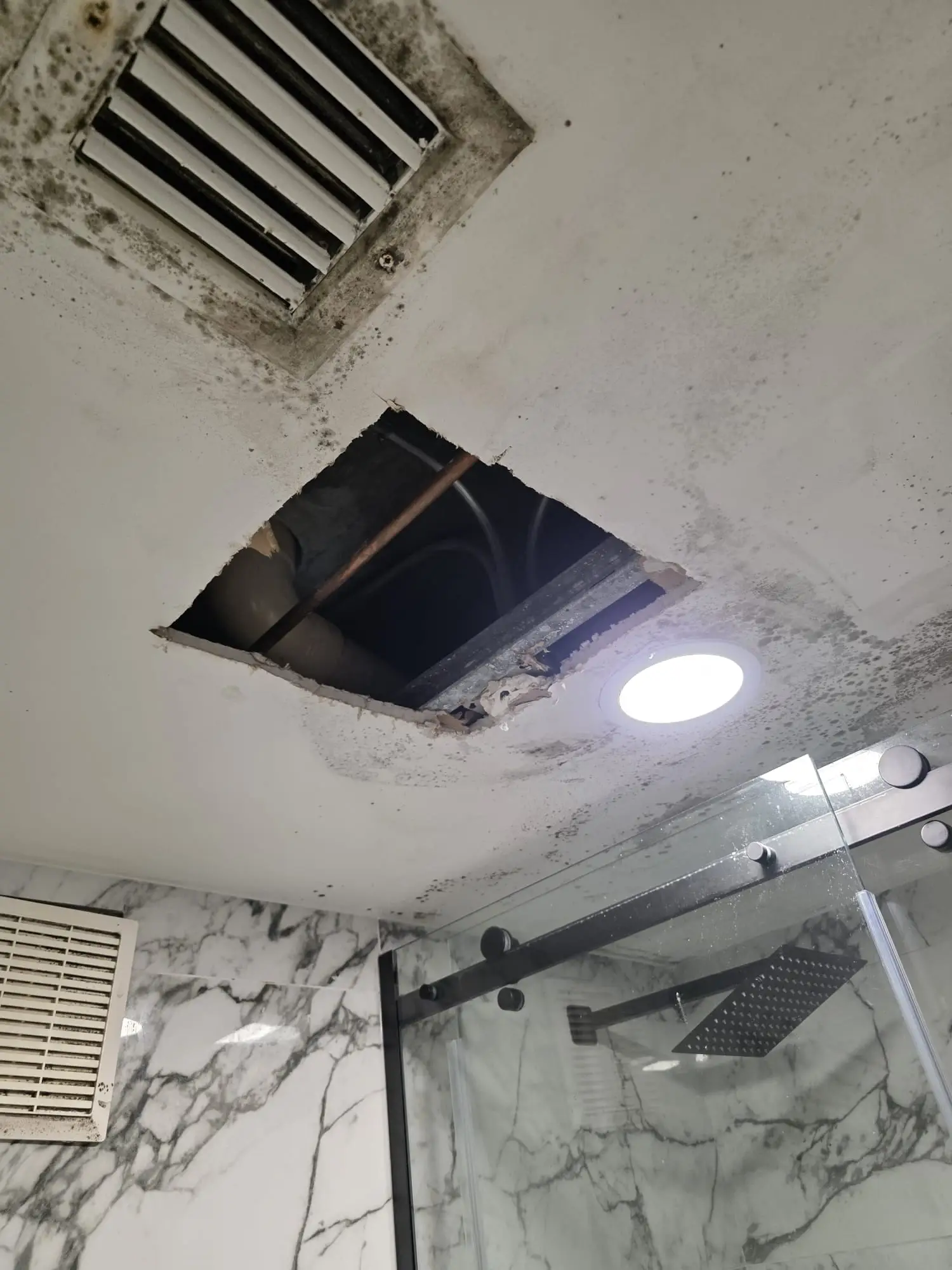
Water takes the easiest path, so the place where it shows is rarely the place where it starts. A ceiling stain can come from a pipe two joists away, a damp baseboard from a supply line behind a shower wall, a wet patch of ground from a hose bib or a buried line. The work is following the evidence back to the one part that failed.
Sometimes the first sign is on paper: a water bill that rises with no change in how the house is used. A simple check is to turn off everything that uses water and read the meter, then read it again an hour later. Most meters have a low-flow indicator, a small dial or triangle that moves when even a trickle passes. If it keeps moving, water is leaving the pipes somewhere.
- A water stain that comes back after it has been painted, or paint that bubbles and peels
- Floors that feel soft or buckle, or a musty smell from under them
- The sound of running or hissing water when nothing is on
- A water meter that keeps moving with every fixture turned off
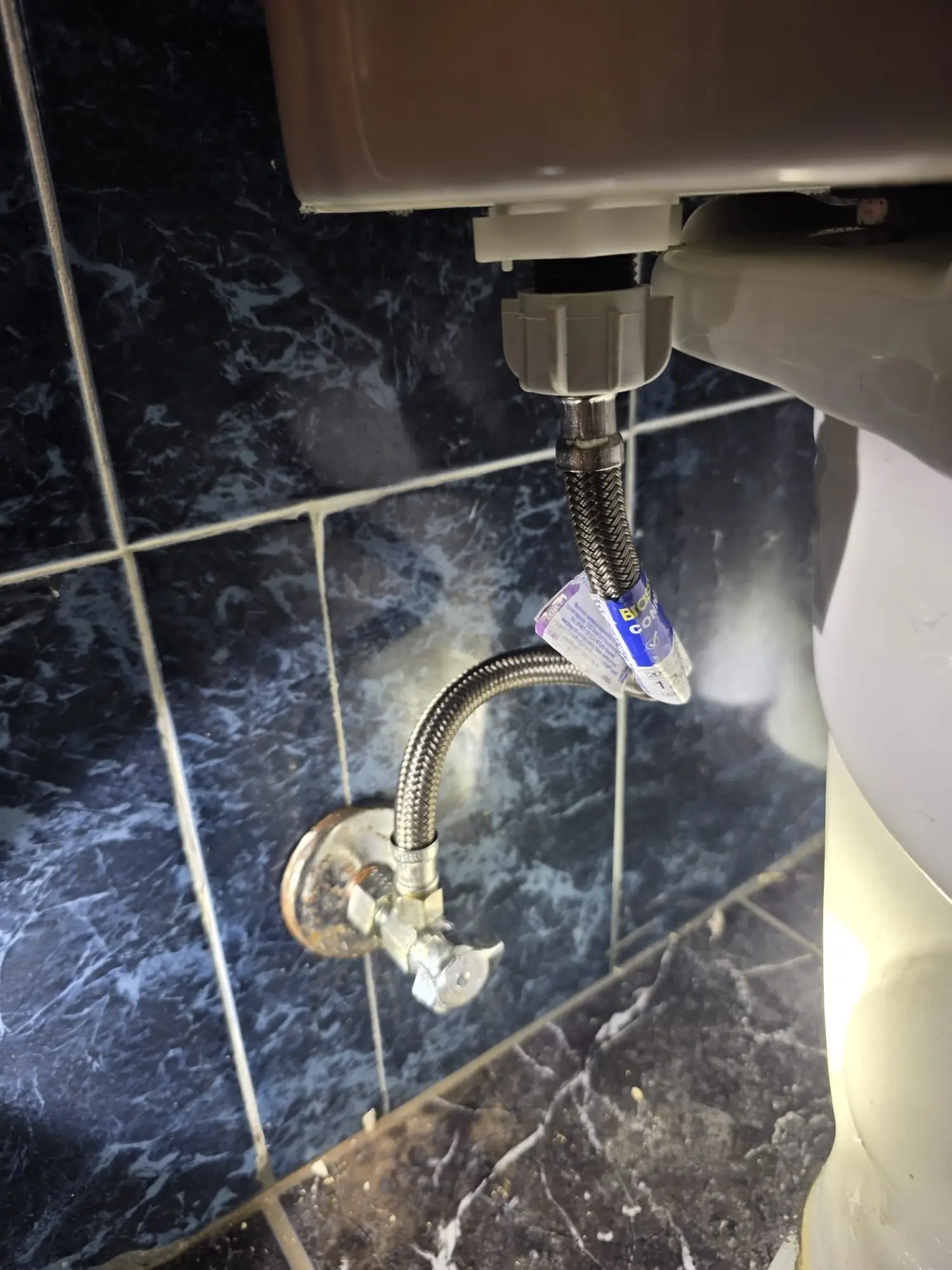
- A hose bib, valve or supply connector that is corroded or weeping
How the work is done
How we handle Leak Detection and Repair
Trace first, open second
The source is narrowed down with shutoffs, meter readings and pressure checks, so a wall or ceiling is opened in one place and only as far as access requires.
The failed part gets replaced
A corroded valve, a split connector or a pinholed section is replaced where possible, instead of being covered up and left to fail again.
You are shown what was found
The leaking part and the path the water took are explained to you, which helps you judge the repair and gives you something to show an insurer.
The line is checked after
After the repair the line is brought back up to pressure and watched, to confirm that the leak is really gone and not just quieter.
Where leaks hide in a house
Leaks are most common where a pipe meets something: a fixture, a valve, a fitting or an appliance. They are hardest to see where the pipe is hidden, behind finished walls or under the floor.
Near the coast, salt air adds a second cause. Exposed hose bibs, outdoor valves and fittings corrode from the outside, and a corroded hose bib can leak into the wall behind it for a long time before anything shows. In a crawlspace under an older house, a slow drip can go unseen for years.
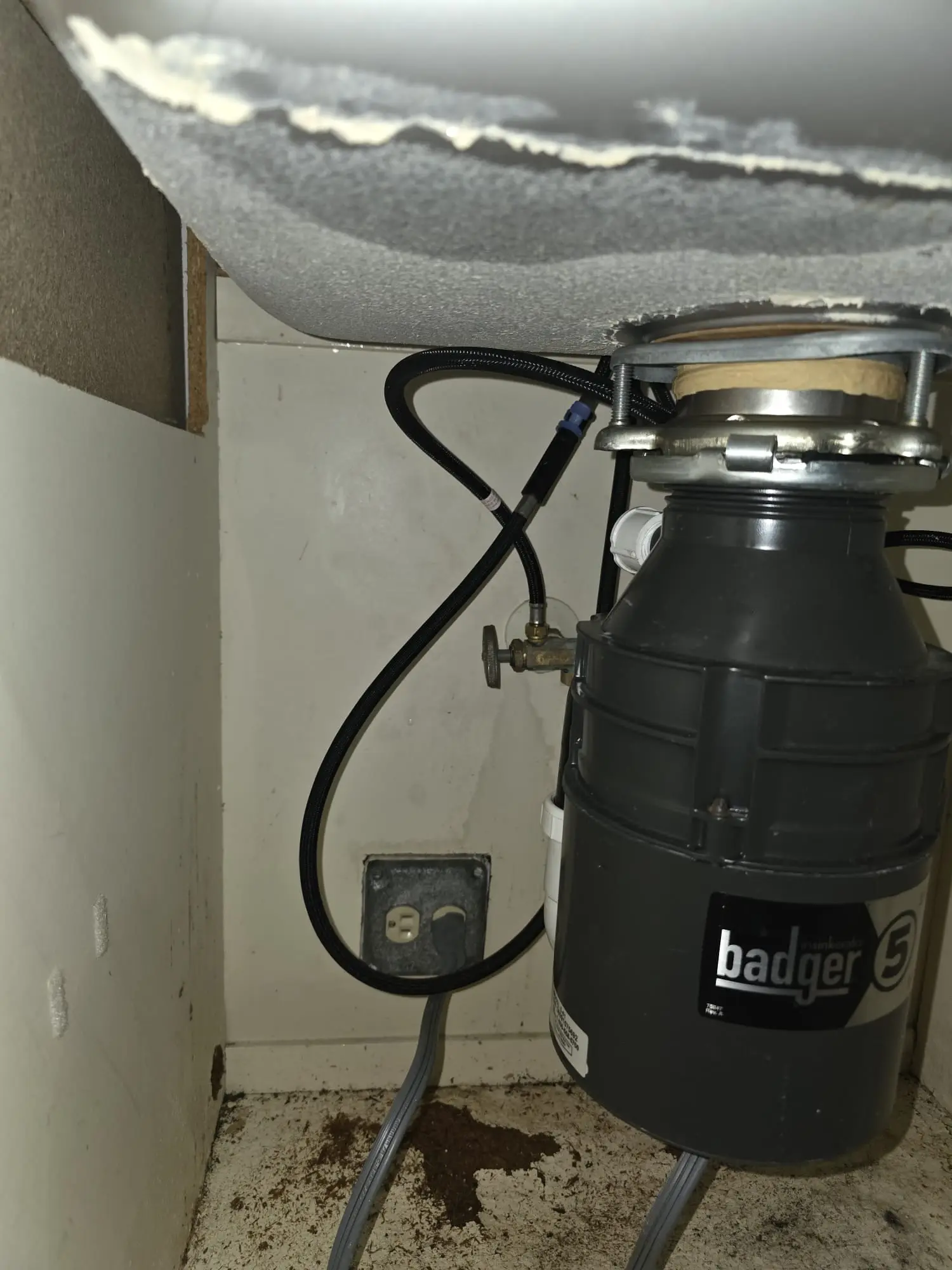
- Under sinks and toilets: supply lines, angle stop valves, trap connections and drain seals
- In walls and ceilings: pinholes in older copper, failed fittings, shower valves and shower arms
- Under the house: supply lines in a crawlspace and drain joints that have shifted or dried out
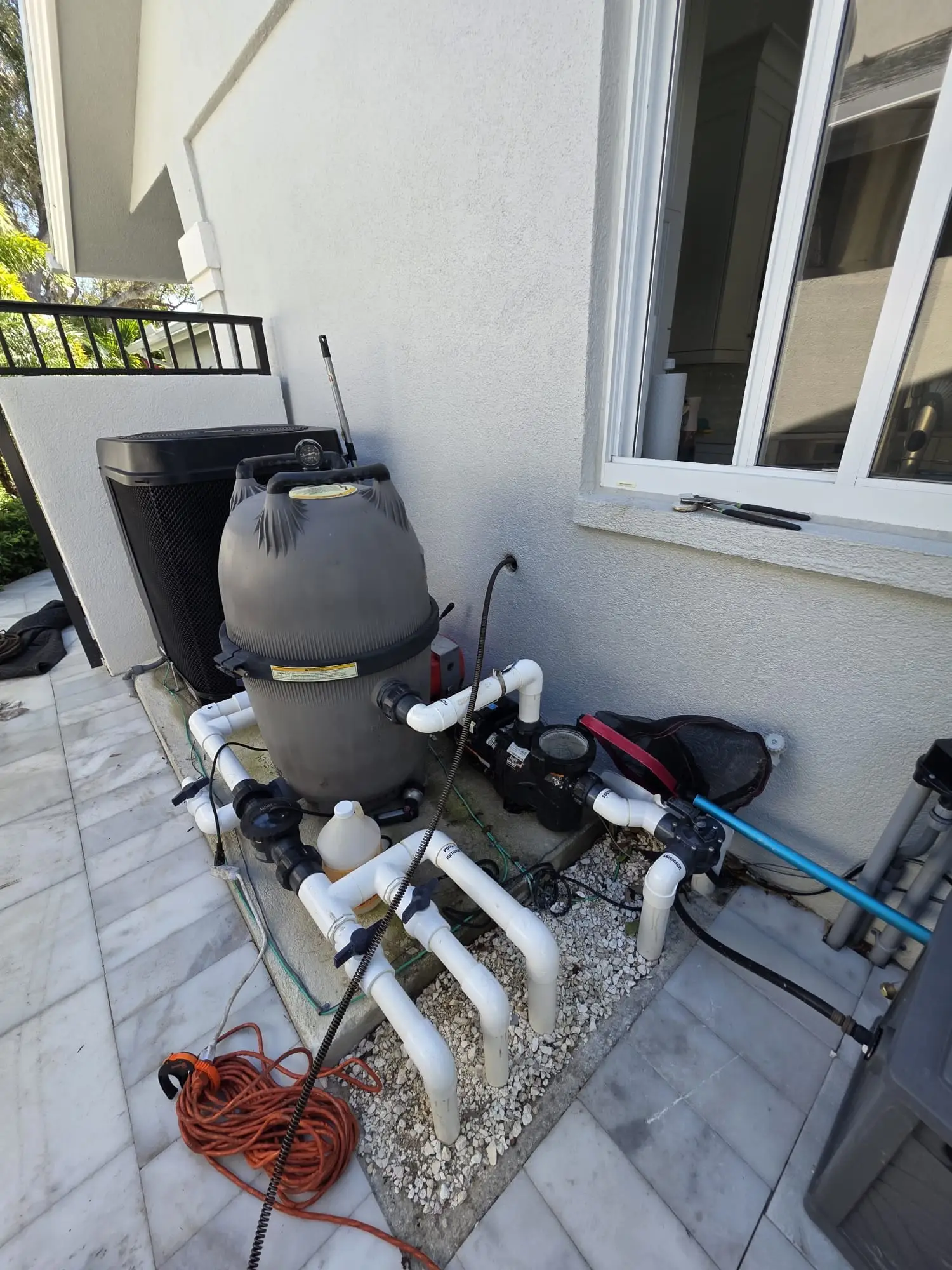
- Outdoors: hose bibs, irrigation connections and the line out to a pool or a spa
How a leak is narrowed down
Leak detection uses a handful of techniques, and the right ones depend on the house. Closing branch valves one at a time while watching the meter shows which part of the house the water is leaving from. A pressure test of an isolated line shows whether it holds. Moisture readings and careful listening along a pipe run narrow the spot down further.
The opening in the wall or ceiling comes last, and it is a small one, placed where the evidence points. Closing it up and repainting are separate trades, so plan for that.
Repair the part that failed, not the stain
A repair can be as small as replacing a supply connector or a worn valve, or swapping a corroded hose bib for a frost-proof one. It can also mean replacing a section of pipe that has pinholed. When a line leaks in several places, repairing one spot only moves the problem, and that is the point to talk about replacing the line.
A leak under a concrete slab is a special case. Depending on the layout of the house, the line can sometimes be rerouted through walls or the attic instead of breaking up the floor. What is possible depends on the house.
Questions
Leak Detection and Repair questions
How can I tell whether I have a leak I cannot see?
Turn off every fixture and appliance that uses water, read the meter, and read it again after an hour. If the meter has moved, or its low-flow indicator is spinning, water is leaving the pipes somewhere. A bill that rises with no change in use is another sign.
Do you have to open my wall to find a leak?
Not always, and not at first. Shutting off sections of the plumbing, reading the meter, pressure testing a line and listening along a pipe often narrow the source down. If an opening is needed, it is made small and placed where the evidence points.
Who is responsible for a leak outside the house?
In general, the water utility is responsible up to the meter, and the property owner for the line from the meter to the house, outdoor lines, hose bibs and irrigation. Rules differ by utility and by property, so confirm the details for yours.
How do I tell a leak from condensation?
A cold pipe in warm, humid air sweats, and it is wet along its length and only in that weather. A leak drips from one point, keeps wetting the same spot on dry days and may leave a stain that grows. Dry the pipe and watch it: if it is wet again in one place, it is leaking.
More services
Other services we provide
Need that leak found and repaired?
Call us or send the form. Tell us what you see and we will explain the next step.
Get in touch
Request service
Fill out the form and we will call you back.