
Service
Emergency Plumbing in Malibu, CA
When water is where it should not be, the first minutes decide how much of the house it reaches. Close the main valve, then call. We tell you what to do while you wait and what the first visit is for.
- Burst pipes and severe leaks
- Backed-up drains and flooding
- Open 24 hours, every day
Emergency Plumbing
What counts as a plumbing emergency
A plumbing emergency is any moment when water or sewage is moving where it will damage the building and a valve under a fixture cannot stop it: a burst or split pipe, a failed supply line or water heater, a drain backing up into a tub or onto a floor, a sewer line that no longer carries waste out of the house.
What makes these urgent is time, not drama. Water inside a wall, a ceiling or a subfloor keeps spreading for as long as the supply is on, and drywall, insulation and flooring soak it up faster than most people expect. The first job is to stop the flow. The repair, the drying and the rebuilding come after that.
- Water spraying, dripping steadily or pooling from a pipe, a valve or a fitting
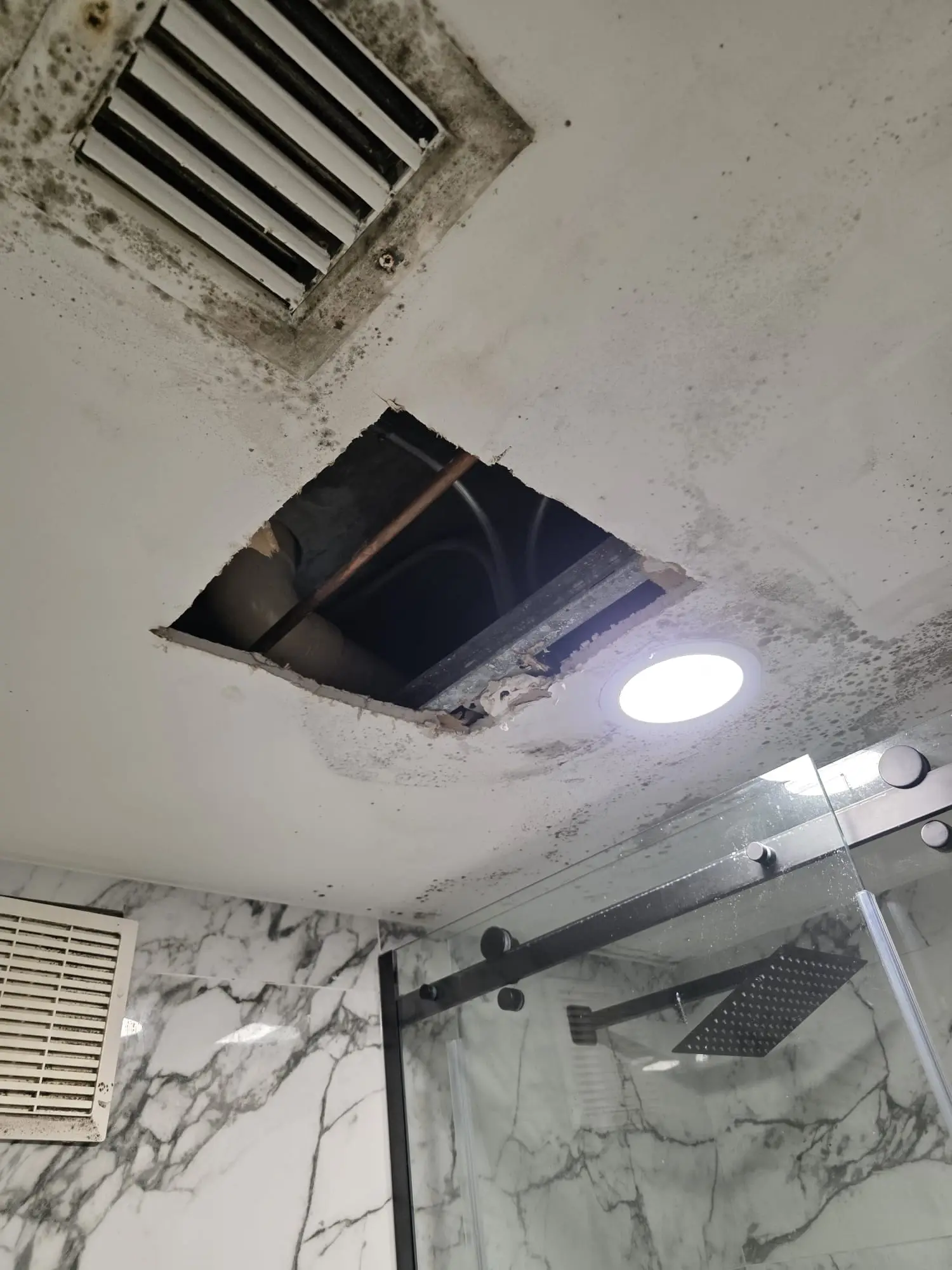
- A ceiling that sags, bulges or drips, or a wall that is suddenly wet or warm to the touch
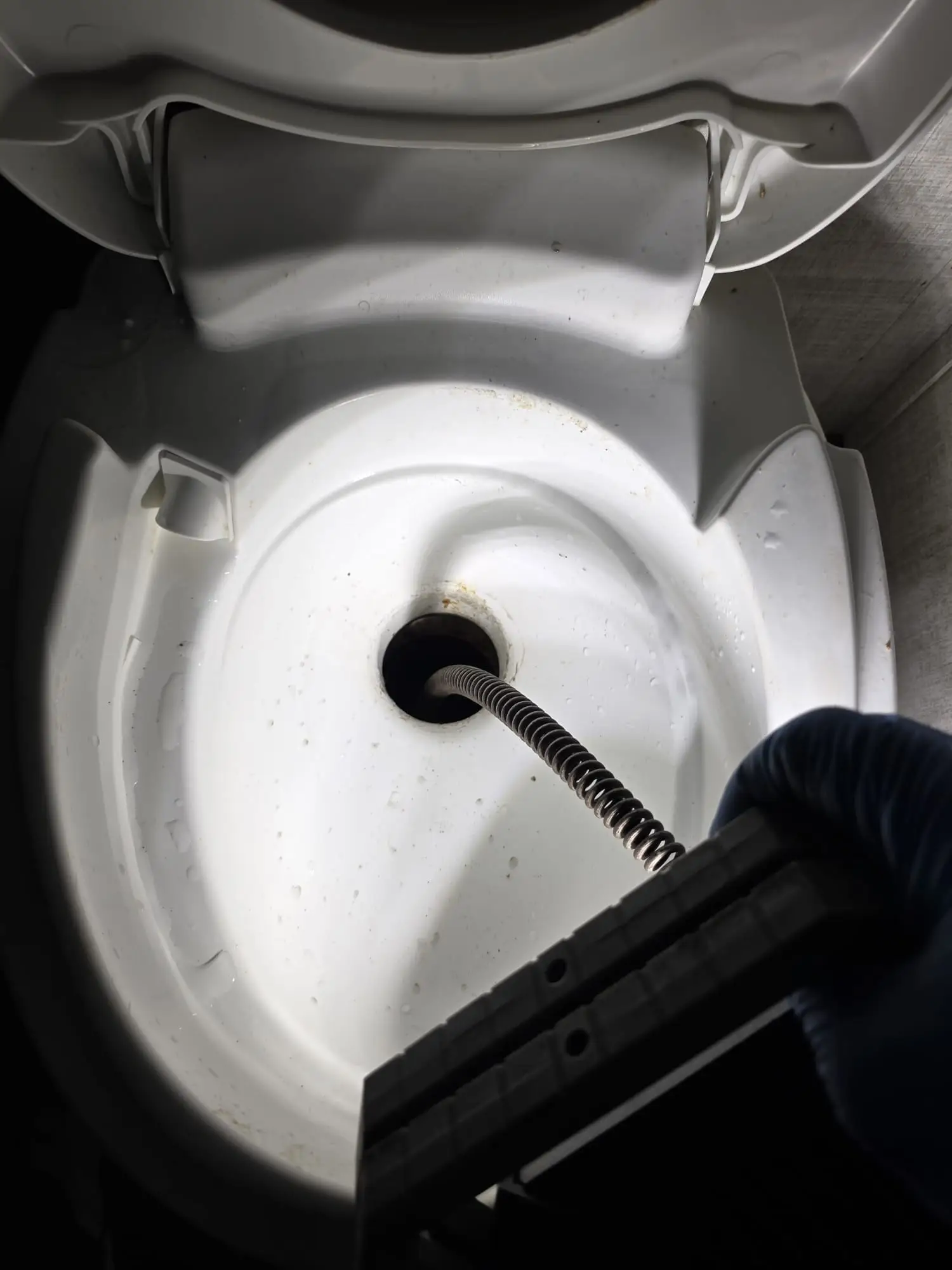
- A toilet, tub or floor drain that backs up when another fixture drains
- A sewage smell with gurgling drains, or water rising from a floor drain
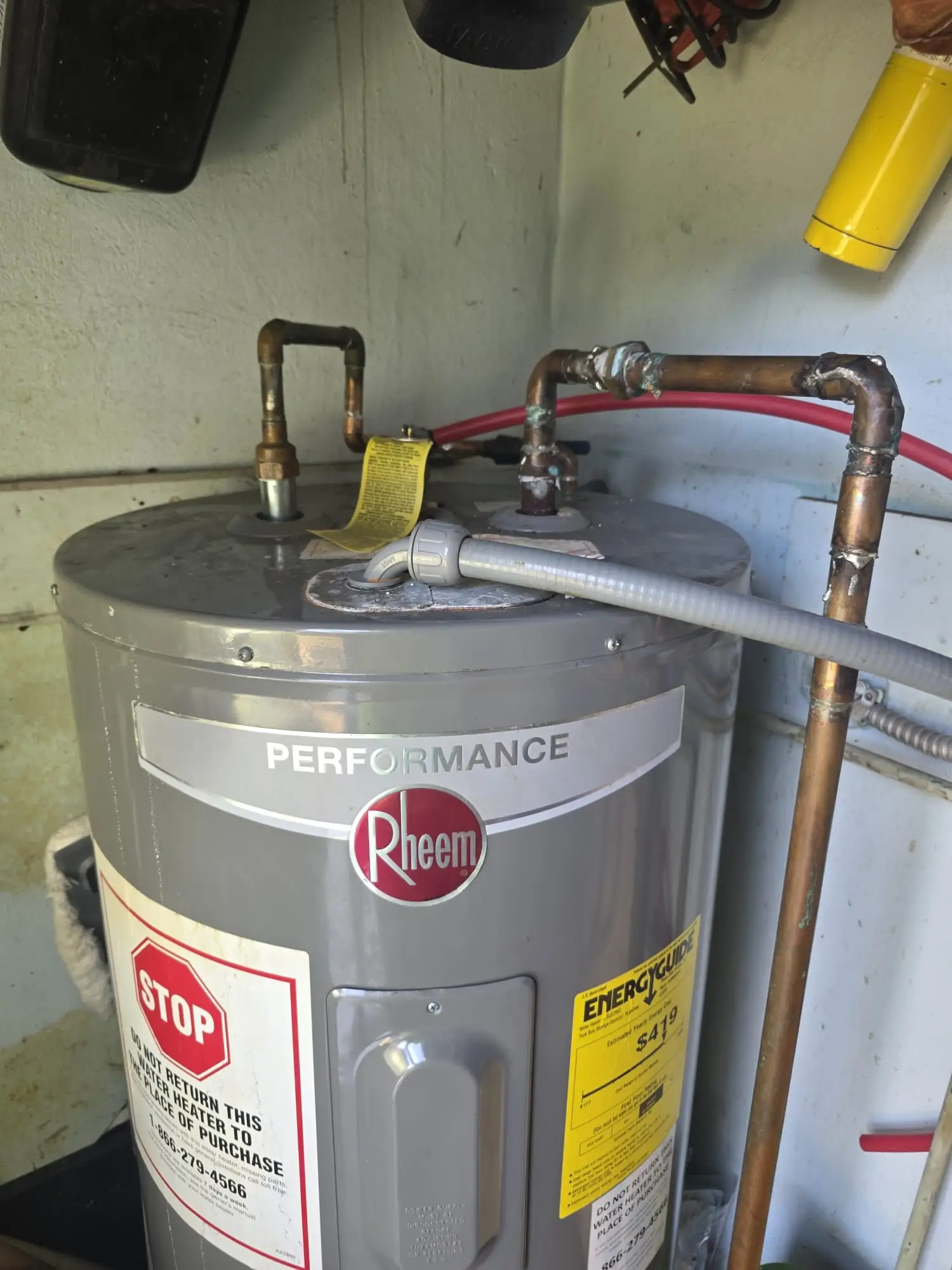
- A water heater leaking from the tank or running water from its relief valve pipe
- A water meter that keeps moving while every fixture in the house is off
How the work is done
How we handle Emergency Plumbing
Stop the damage first
Work starts by isolating the failure so the water stops spreading. Only then does the conversation turn to the permanent repair.
Find the source, not the stain
A stain on a ceiling is often not under the pipe that caused it. Water is traced back to where it starts before a wall or ceiling is opened, and the opening is kept as small as access allows.
You see the failed part
The split fitting, the corroded valve or the clog that was pulled out is shown to you, so the repair makes sense and you have something to photograph for an insurance claim.
Temporary or permanent, said plainly
Some failures can be fixed completely on the first visit. Others need parts or access that take a second trip. You are told which it is before the work starts.
Stop the water, then call
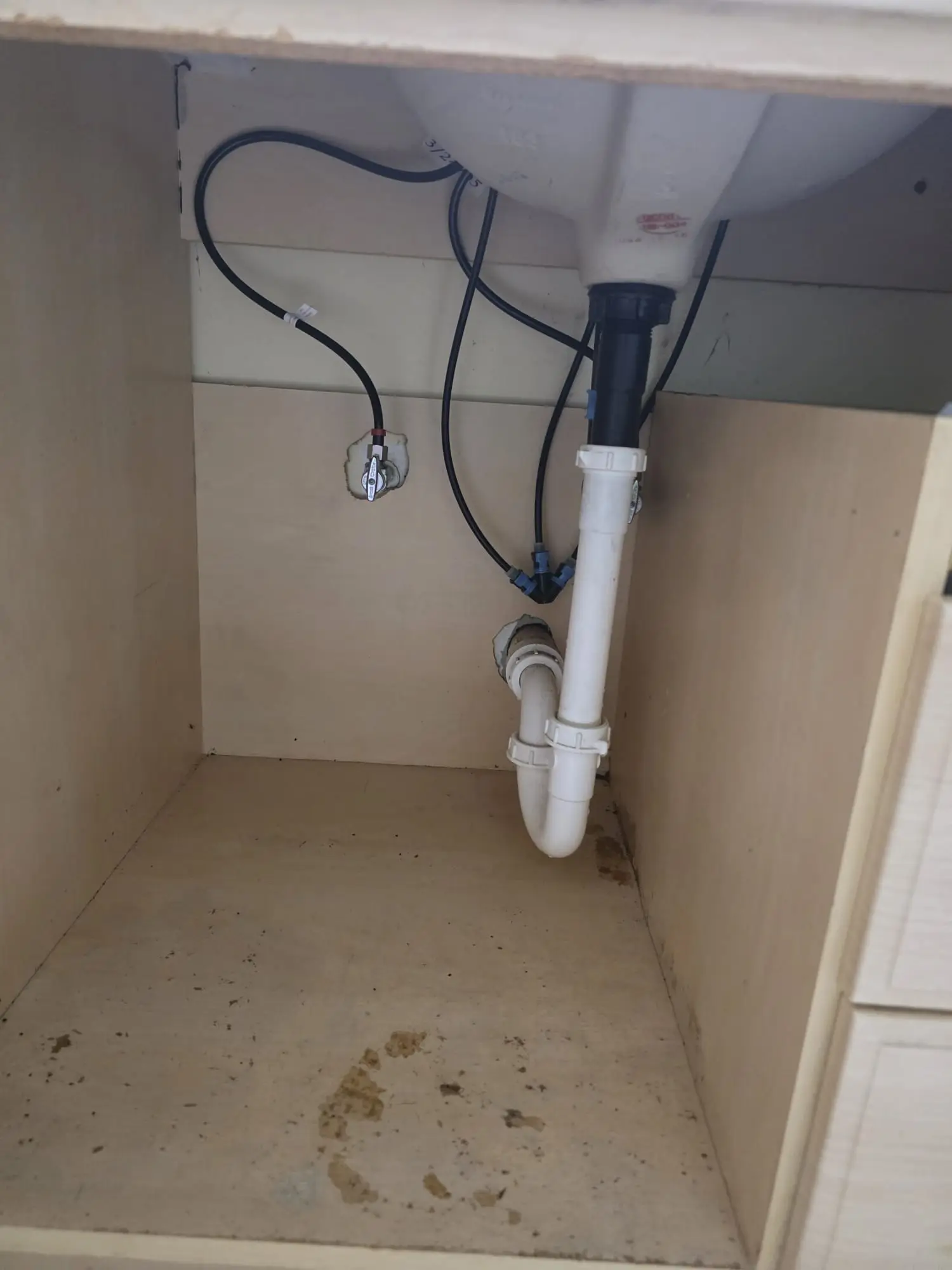
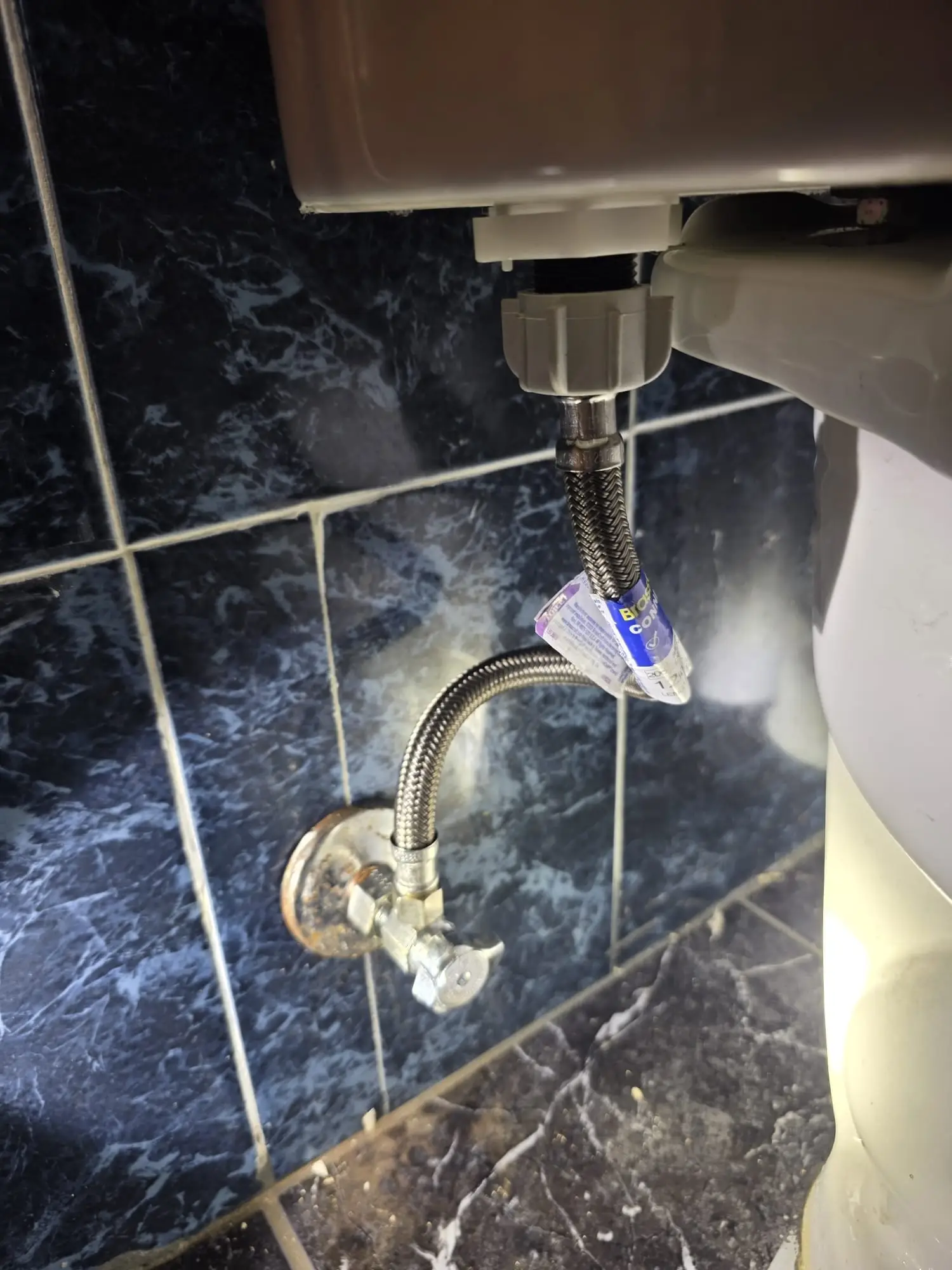
Every house has a main shutoff valve, usually where the water line enters the building: a garage, a utility closet, a basement or crawlspace, or an exterior wall. Find it before you need it and check that it turns. A single fixture, such as a toilet or a sink, has its own small valve, and turning it clockwise leaves the rest of the house with water. After closing the main, open a faucet at the lowest point of the house to let the pipes drain. On a hillside property the main is sometimes at the meter, near the road.
If water has reached outlets, light fixtures or the electrical panel, stay out of the wet area. Switch the power off only if you can reach the breaker without standing in water; otherwise call an electrician or 911. If you smell gas, leave the building and call the gas company or 911 from outside. That is not a plumbing call.
What the first visit is for
The first visit has one purpose: to stop the damage. A permanent repair is sometimes possible during that visit and sometimes not, because a part, access to a wall or ceiling, or a pipe that has to be replaced in sections can take more than one trip.
- Closing off the failed section so the rest of the house keeps its water
- Clearing a backed-up drain or a main line so waste leaves the house again
- Replacing a burst supply line, a failed valve or a split fitting
- Finding where the water comes from when the source is inside a wall or ceiling
Water damage, in general terms
Plumbing and water damage restoration are different jobs. The plumber stops the water and repairs the source. Drying out the structure, removing wet materials and rebuilding belong to restoration and construction trades.
Materials that stay wet for a day or two can start to grow mold, so wet carpet, insulation and the lower part of wet drywall are usually dealt with soon. Tell your insurer early and keep your photographs.
Questions
Emergency Plumbing questions
Where is my main water shutoff valve?
Look where the water line enters the house: an exterior wall, a garage, a utility closet, a basement or a crawlspace. It is a round wheel handle or a lever. Turn a wheel clockwise until it stops, or turn a lever a quarter turn so it sits across the pipe. There may also be a valve at the meter.
Should I pour drain cleaner into a backed-up drain?
It is better not to. Chemical cleaners sit in a fully blocked line and can splash back on whoever opens the drain later. A plunger is safe to try. If you have already used a chemical cleaner, tell the plumber so they can take care when the line is opened.
What should I do if my water heater is leaking?
Close the cold water valve on the pipe feeding the heater. Turn an electric heater off at its breaker, or set a gas heater's control to pilot or off if the unit allows it. Then call. Water around the base can come from a fitting, which can be repaired, or from the tank, which cannot.
Will my insurance pay for a plumbing emergency?
It depends on the policy and on what happened. Many policies treat a sudden break differently from damage that built up slowly. Call your insurer early, photograph everything and keep the failed part. We cannot tell you what a given policy covers, but we can explain what failed and why.
More services
Other services we provide
Water running where it should not? Call now.
Call us or send the form. Tell us what you see and we will explain the next step.
Get in touch
Request service
Fill out the form and we will call you back.