

Service
Pipe Repair and Replacement in Malibu, CA
Pipes wear out on a schedule set by the metal, the water and the house. We repair a leaking section when that is the honest answer, and replace a line, a branch or the whole house when another repair would only chase the next failure.
- Repairs and full repiping
- Copper, galvanized and PEX
- Outdoor and equipment lines
Pipe Repair and Replacement
Repair a section, or replace the line?
The real question is rarely whether a pipe can be patched, because nearly anything can. It is whether the next patch will be the last one. A single failed fitting on an otherwise sound pipe is a repair. A line that has now leaked in three places is telling you something about the whole run.
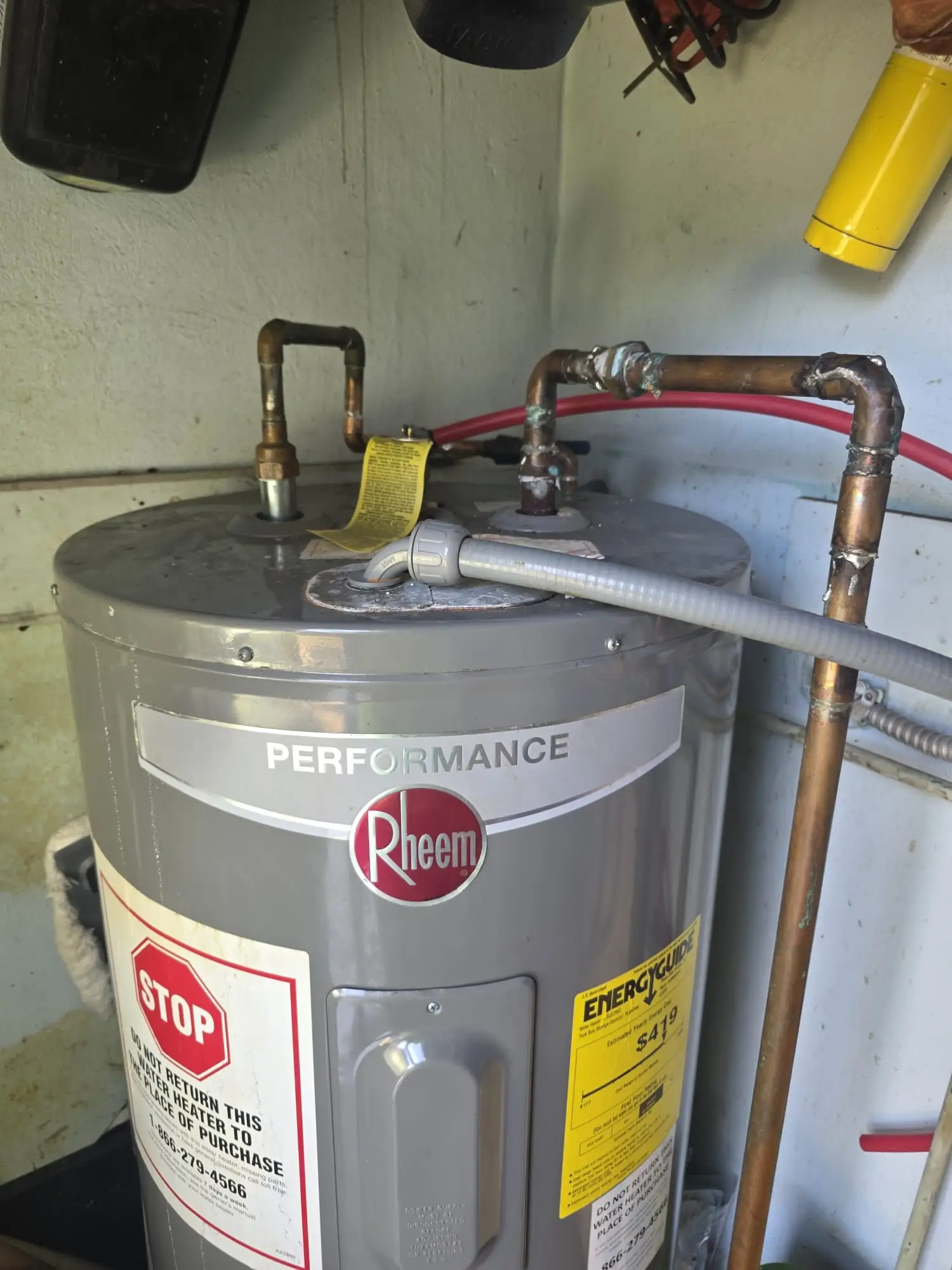
The material matters, so the first step is knowing what you have. Older homes can have galvanized steel, which corrodes from the inside until the pressure drops. Copper can pinhole, from the water chemistry or from corrosion on the outside. Newer homes may have PEX or CPVC, which fail mostly at fittings and where they are exposed.
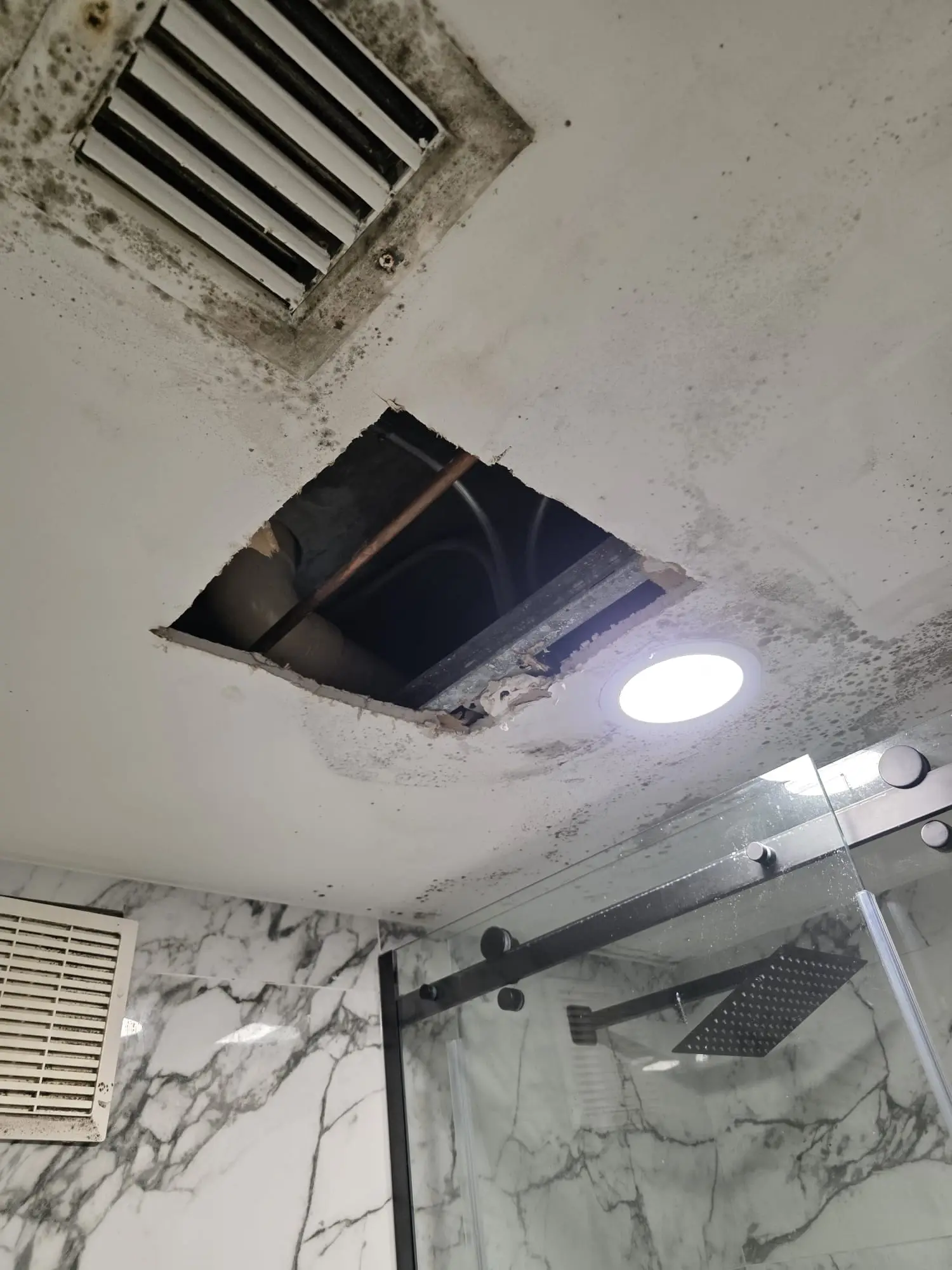
- Pinhole leaks, or green and white crust on copper pipe
- Rust-coloured water, or pressure that has slowly faded, in an older house
- Repeated leaks in different places on the same line
- Pressure that is very high at the lowest taps, or that swings during the day
- Corroded, cracked or leaking outdoor lines, valves and equipment plumbing
How the work is done
How we handle Pipe Repair and Replacement
A scope based on measurements
Pipe material, age, access and water pressure are checked before anything is cut, so the choice between repair and replacement rests on facts.
Repair when repair is honest
If a repair is sound, you hear that. If a line is failing in several places, you hear that too, with the reasons, before a larger job is proposed.
Pressure is part of the diagnosis
High water pressure is a common reason pipes and fittings fail early. It is measured, and a regulator is checked or recommended where it is part of the problem.
Openings kept small
Walls and ceilings are opened only as far as the work needs. Patching and painting afterwards belong to the trades that do them, and that is said before the work starts.
Copper, galvanized, PEX: how each one fails
Knowing how a material fails tells you what to expect from the rest of the line, and whether a repair is likely to hold.
- Copper: pinholes, usually from water chemistry or from flow wearing the inside of the pipe, and pitting on the outside where it stays wet. Old soldered joints can also fail
- Galvanized steel: corrodes and builds scale inside, so the flow drops long before the pipe leaks. The oldest lines are often replaced for flow as much as for leaks
- PEX: flexible and durable, and it fails mostly at fittings and when left in the sun, so outdoor runs must be protected
- CPVC and PVC: become brittle with age and sunlight. They appear in some supply lines, and in drains, vents and pool plumbing
Repair, partial repipe or whole-house repipe
A repair, such as replacing a failed section or a fitting, is right when the rest of the pipe is in good shape. A partial repipe replaces one branch, such as a kitchen or a bathroom, and is often done when the walls are already open for a remodel. A whole-house repipe replaces the supply lines with new pipe and valves, usually PEX or copper, with openings in the walls at access points.
A whole-house repipe is a large job, and you should hear why it is recommended, what the alternatives are and what is not yet urgent. How much work it is depends on the house: the number of fixtures, the number of stories and how reachable the pipes are.
Pressure, long runs and outdoor plumbing
Homes on hillsides and in canyons often have long supply runs and a large change in elevation between the main and the fixtures, so the pressure can differ a lot from one house to the next. Plumbing code generally calls for a pressure regulator where the static pressure is high, and a worn-out regulator is one of the first things to check when pipes knock or fittings leak.
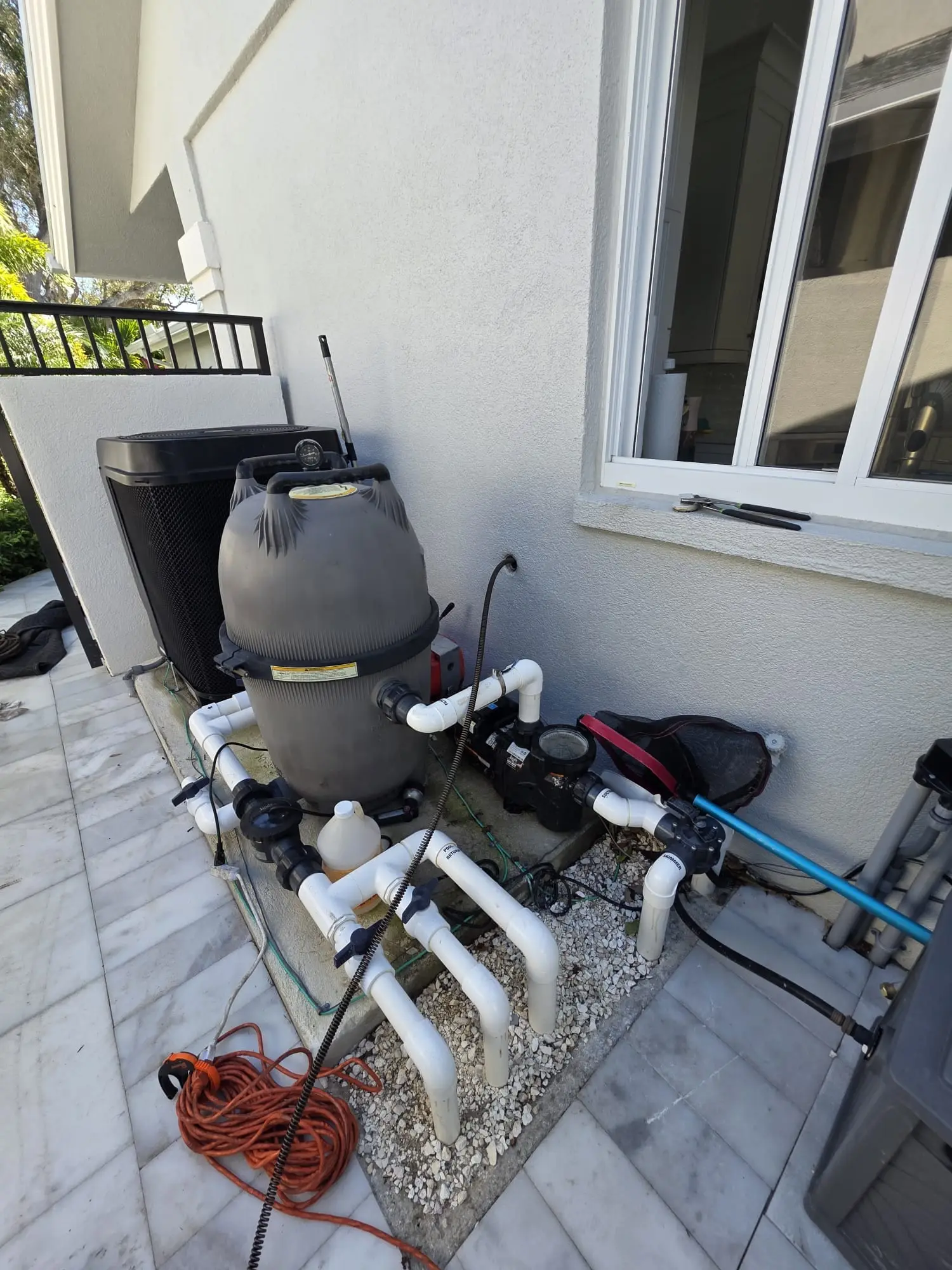
Outdoor lines, valves and the plumbing at pool equipment sit in sun, salt air and weather. They are mostly PVC and metal fittings, and they are repaired or replaced much like indoor lines. This page is about the pipes, valves and connections. Servicing a pool pump, a filter or a heater is a different job.
Questions
Pipe Repair and Replacement questions
Can a pinhole leak in copper pipe simply be patched?
It can be repaired, for example by replacing the affected section. What matters is whether the rest of the pipe is in the same condition. One pinhole in an otherwise sound line is a repair. Several pinholes within a few feet are a sign the pipe is wearing through, and replacing the run is likely the better answer.
How do I know whether I need a repipe?
Repeated leaks in different places, rust-coloured water, pressure that has slowly faded and old galvanized pipe are the usual signs. A pipe that has leaked once does not necessarily need a repipe. A plumber can look at the material, the age and where the failures are, and tell you whether the line is worth keeping.
Is old galvanized pipe a problem?
Often, but not always. Galvanized steel corrodes from the inside and collects scale, so the flow drops long before it leaks. If your taps are weak, the water is rust-coloured and the house is old, the pipe is worth a closer look. A plumber can check the material and the flow.
Do you work on the plumbing around a pool?
The pipes, valves and connections, yes: for example a failed fitting or a section of line that has cracked. The pump, the filter, the heater and the water chemistry are pool service, a different job. If you are not sure which you have, describe what you see and we can say.
More services
Other services we provide
Pipes failing again? Let us look at the whole line.
Call us or send the form. Tell us what you see and we will explain the next step.
Get in touch
Request service
Fill out the form and we will call you back.