

Service
Sewer Line Services in Malibu, CA
The sewer line carries everything out of the house, and when it fails it shows at the lowest drain first. We clean, inspect and repair the building's drain and sewer pipes. Many Malibu homes use a septic system instead of a public sewer: septic tank pumping and repair are a different trade, not covered here.
- Cleaning and inspection
- Roots, cracks and backups
- Repair and replacement
Sewer Line Services
What a failing sewer line does
The building sewer, or house drain line, is the pipe that carries the waste from every fixture out of the house, to the public sewer main or, in a home with septic, to the tank. It is commonly about four inches across, buried and out of sight, so the first signs show at the fixtures: the lowest drain gurgles, a shower fills when the washing machine empties, a toilet bubbles.
A blockage can be paper and grease that built up in a low spot, roots that entered through a joint, or a pipe that has cracked, shifted or collapsed. Cleaning clears the line. It does not say why the line clogged, and that is what an inspection is for.
- Several fixtures backing up at once, especially the lowest ones in the house
- Gurgling in drains or toilets when water runs somewhere else
- A sewage smell indoors, or in the yard along the line
- Water or waste rising from a floor drain or a tub
How the work is done
How we handle Sewer Line Services
Look before digging
A line is cleaned and then inspected, so what is wrong with the pipe is known before anyone digs. Many problems never need a trench: they need the line cleared and the cause understood.
Repairs sized to the damage
A short broken section is replaced as a section. A pipe that is failing along its whole length is a different conversation. You hear which one you have, and why.
Plain findings
What was found in the line, where it is and what it means for the repair is explained in ordinary words, so you can judge the next step.
Sewer or septic, said honestly
If the trouble belongs to a septic tank or its drain field and not to the pipes, you are told so, instead of being sold a pipe repair.
Sewer or septic: which pipes this page covers
Many homes in Malibu are not connected to a public sewer and use an onsite septic system. Those homes still have a building drain: the pipe that carries waste from the fixtures to the tank. It can clog, crack and fill with roots like any other, and it is what this page is about. The tank, its pumping, the leach field or seepage pits and any septic repair are a different trade and are not part of the services described on this site.
If everything in a septic home backs up at once, or the yard near the tank smells and stays soggy, the tank may be full or the drain field may be failing. That should be looked at before anyone cleans or digs up the pipe.
Cleaning, inspecting, repairing: in that order
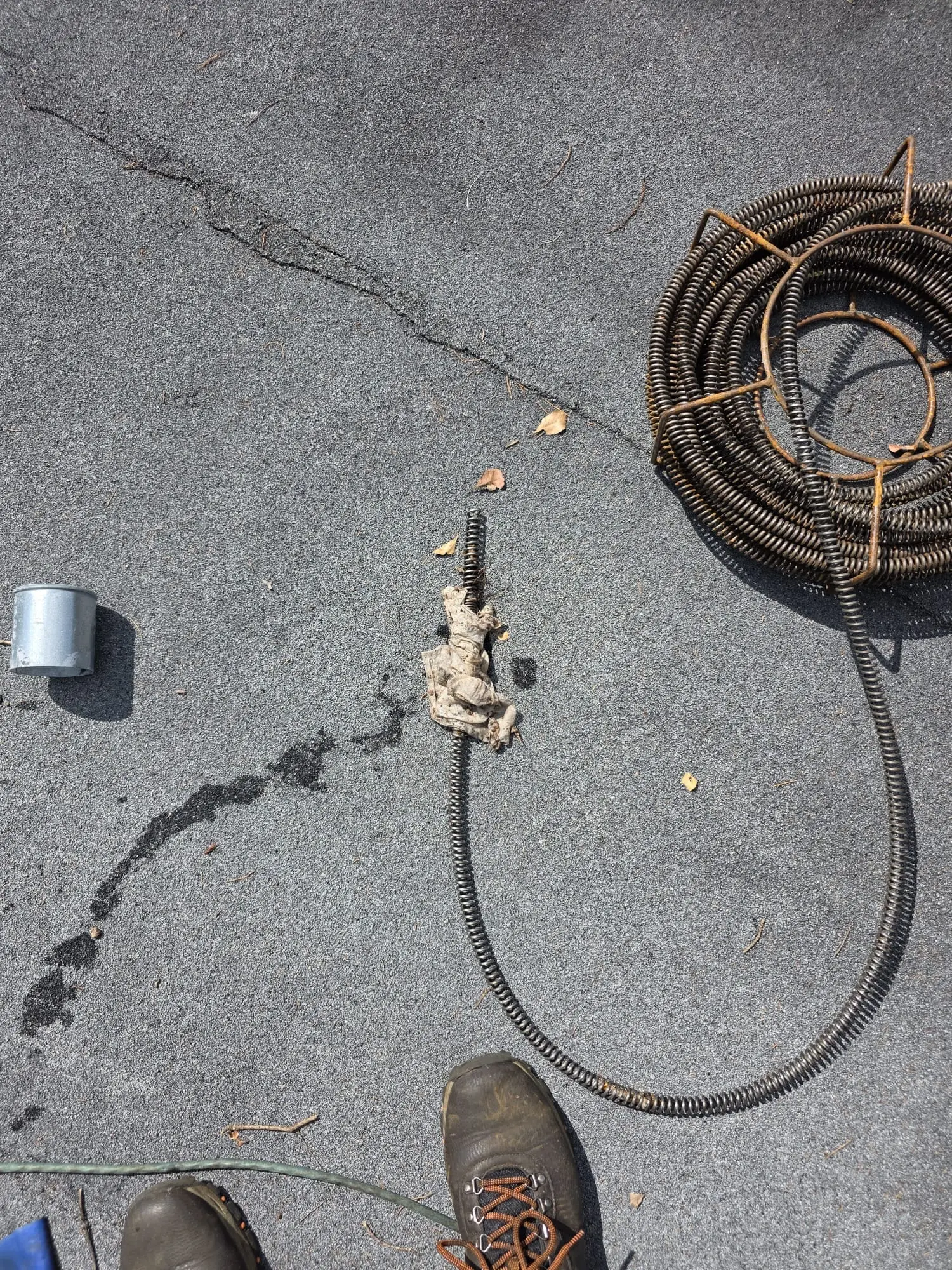
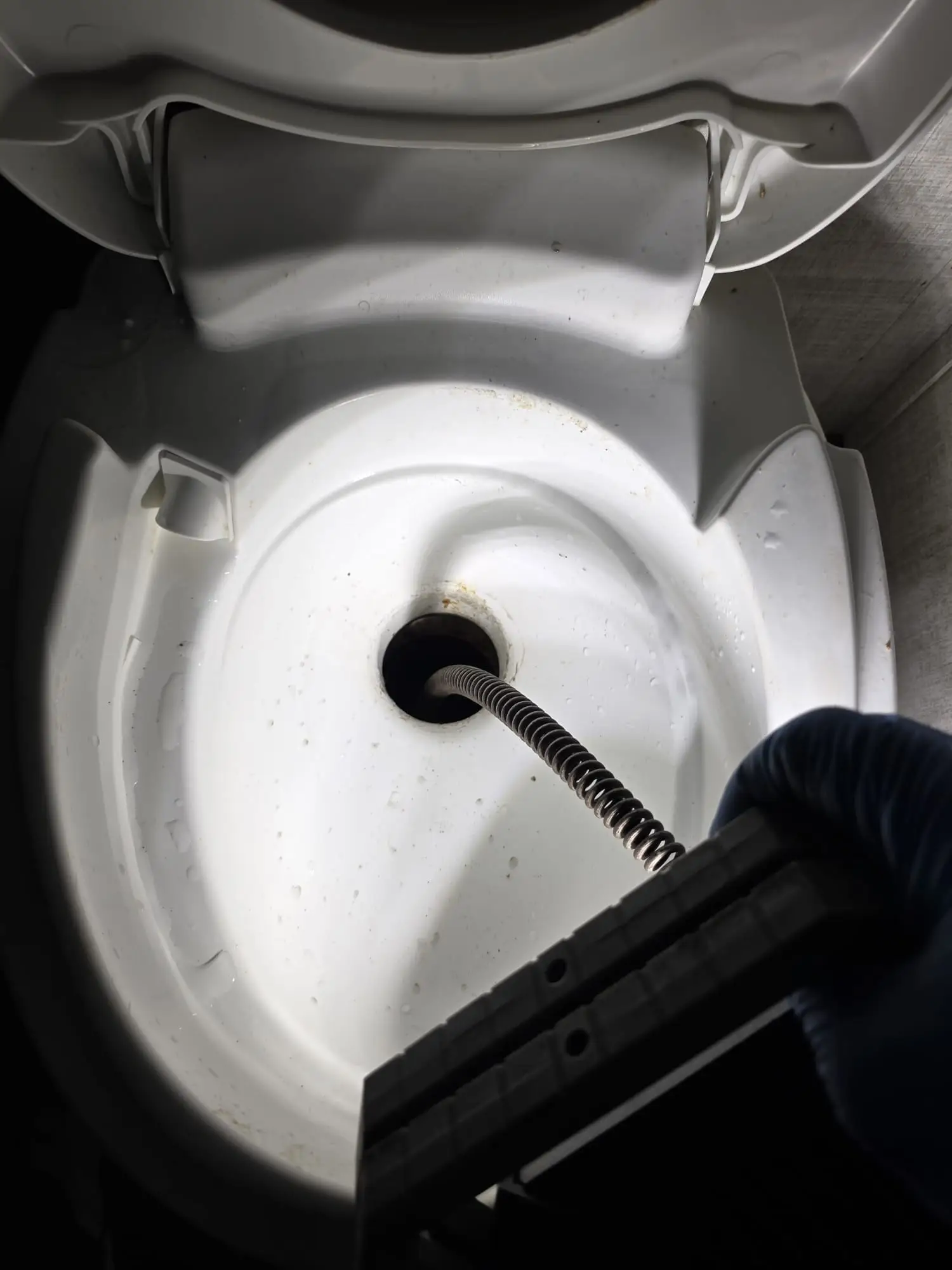
Cleaning comes first, because a blocked line cannot be inspected and the backup is what is hurting. A cable machine goes into the line through a cleanout, or through a vent or a fixture when there is no cleanout. A camera on a cable then follows, to see the pipe and the condition of its joints.
Repair means replacing the failed section, or the whole run if the pipe is failing along its length. How much digging that takes depends on the depth, the access, and what lies above the line: a lawn, a driveway, pavers or a slab. The options are explained to you before the work is planned.
- Roots entering at joints or cracks, and how far along the line they reach
- Cracked, broken or collapsed pipe
- Joints that have shifted, leaving an offset that catches waste
Roots, pavers and hillside lots
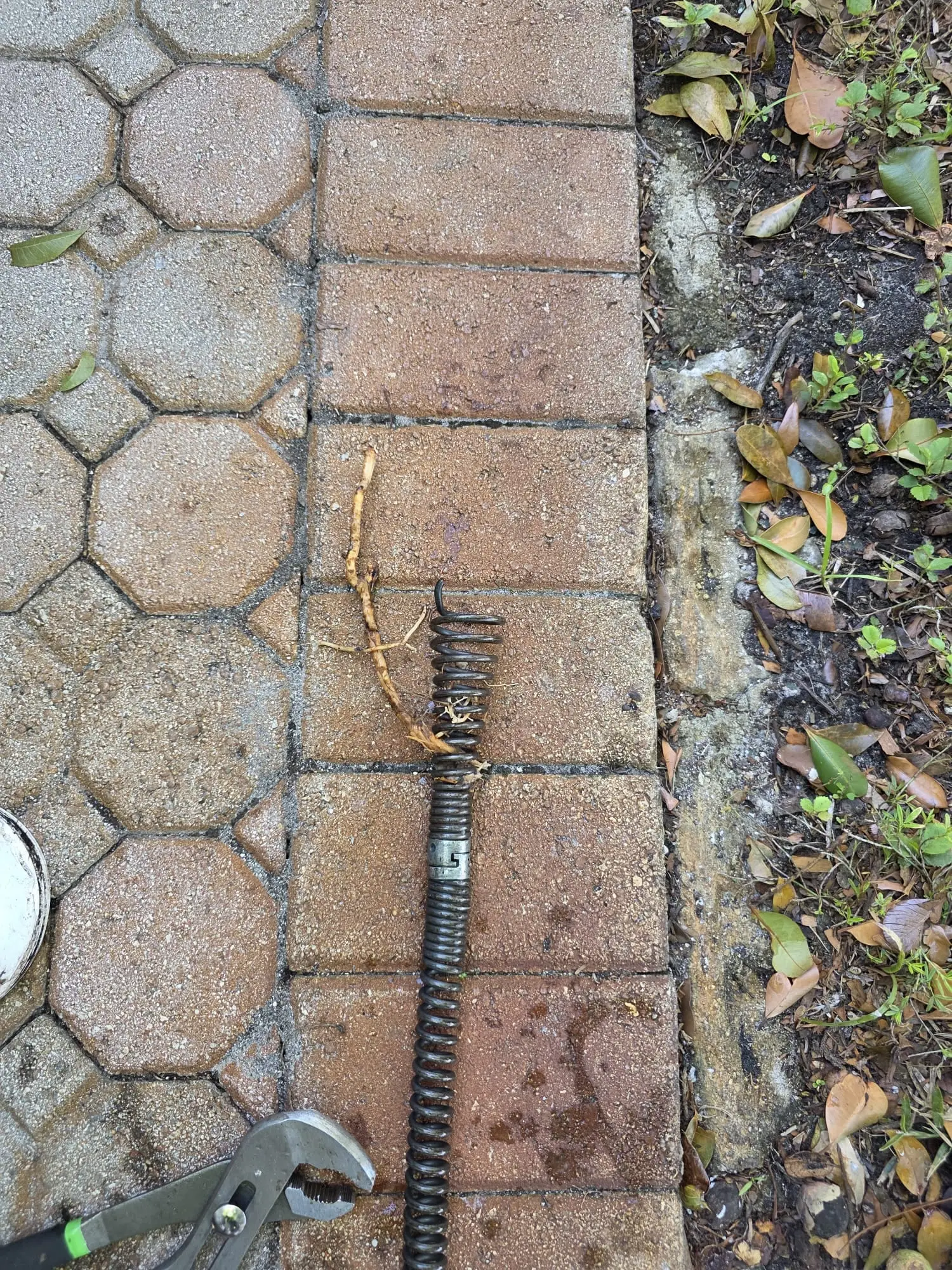
Roots are the most common reason an older line fails. They go looking for water and find the joints of old clay, cast iron or concrete pipe, and once in, they catch paper and grease until the line stops. Cutting roots with a cable clears the line for a while. A lasting fix means repairing the joint they came through.
On a hillside lot the line can run at a steep or uneven slope and a long way, under landscaping, pavers or retaining walls, and the cleanout may be buried in a planter. Knowing where it is, and keeping it reachable, makes the work easier for whoever has to open the line.
Questions
Sewer Line Services questions
How can I tell whether my home is on a sewer or on septic?
A monthly sewer bill points to a public sewer. A concrete or plastic lid in the yard and no sewer bill point to septic. Your property records or the local agency can confirm it. Tell us when you call, because the work differs.
Who is responsible for the sewer line?
In general, the property owner is responsible for the pipe from the house to the point where it joins the public main or the tank, and the public agency for the main. Local rules differ, so confirm the details for your property.
Can tree roots be cleared without digging?
Roots inside the pipe can be cut with a cable and a cutting head, which clears the line. It does not close the opening they grew through, so they often return. A camera inspection shows how many joints are affected, and whether repairing them is something to plan for.
What should I do while the main line is backed up?
Stop using water. Do not flush, run the washing machine or the dishwasher, or take a shower, because every gallon you add has nowhere to go but out of the lowest drain. If waste is coming up inside the house, keep people and pets away from it and call.
More services
Other services we provide
Sewer line backing up? Call and describe what you see.
Call us or send the form. Tell us what you see and we will explain the next step.
Get in touch
Request service
Fill out the form and we will call you back.